Observation & intention
Segurline’s online presence was split across multiple microsites. This fragmentation created inconsistent navigation, duplicated content, and a high effort journey for customers trying to compare products or reach service actions.
My intention was to consolidate the experience into a single, coherent platform that feels trustworthy, easy to scan, and designed around how users actually choose insurance — not around how internal services were historically separated.
Research & user insights
Due to time constraints and limited direct access to customers, I conducted an in-depth interview with the business owner, who had extensive experience guiding clients through their insurance options. This helped extract key insights into customer needs, behaviors, and the most common friction points.
From this, I created two proto-personas representing different age groups and financial contexts, then mapped typical decision paths and information needs to guide structure and content.
Design strategy & challenges
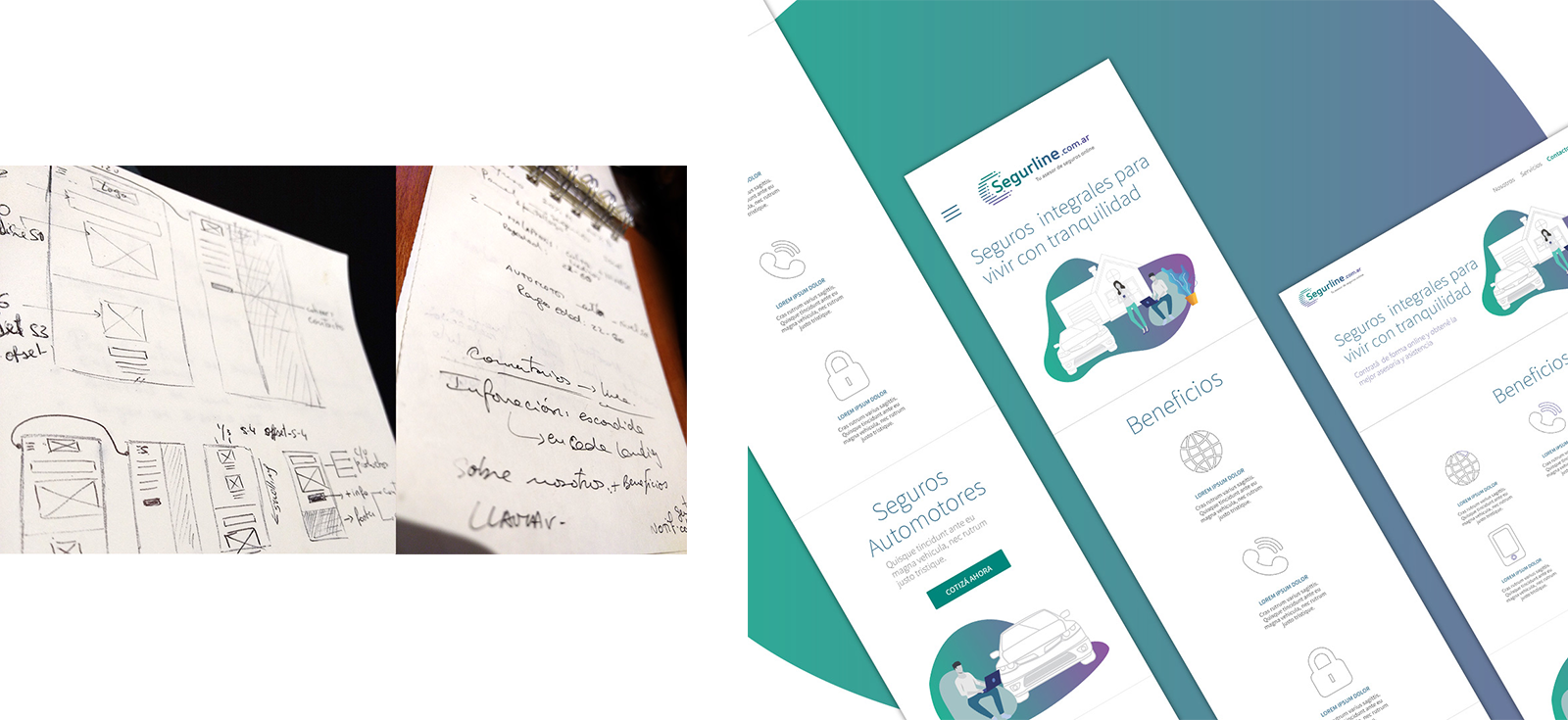
Early explorations leaned toward a single long homepage with sections for each insurance service. As more services were added, the page became excessively long and difficult to navigate.
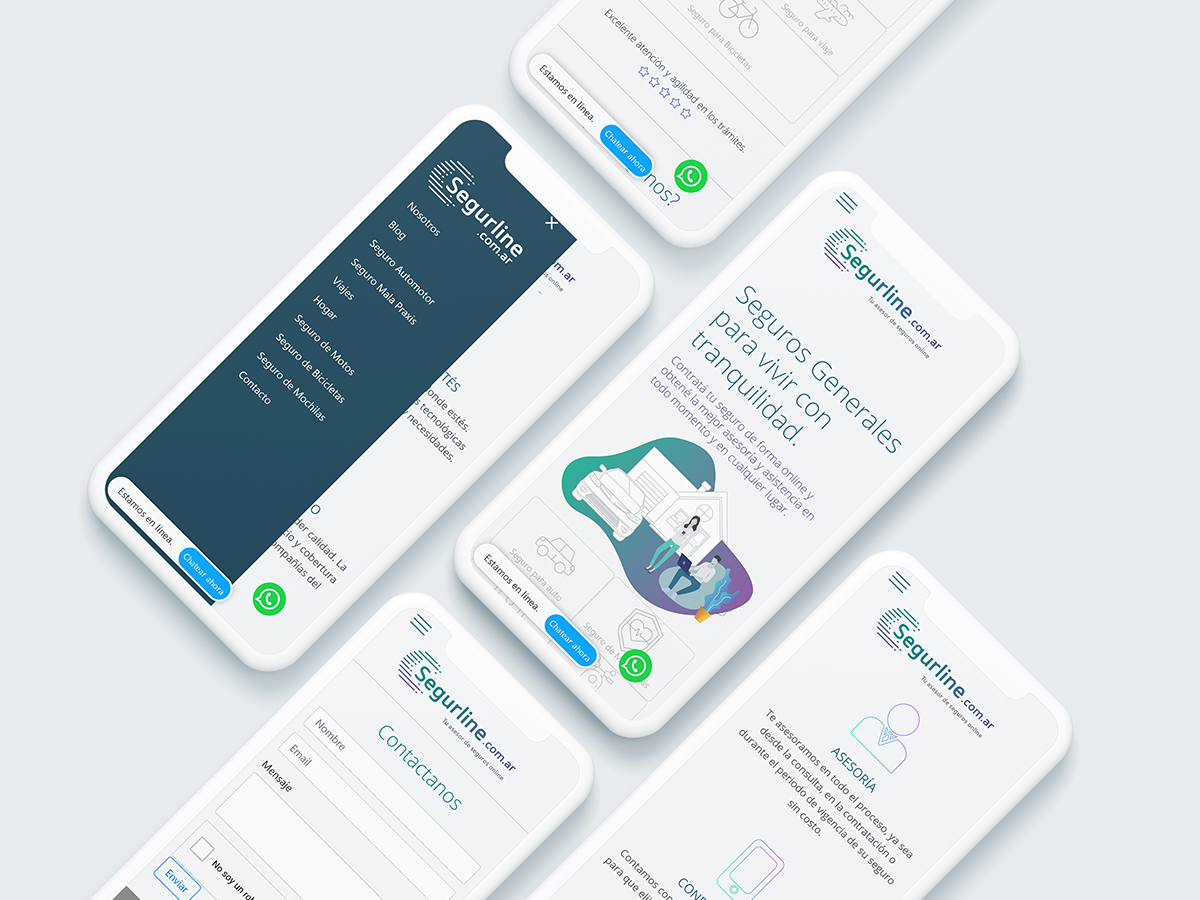
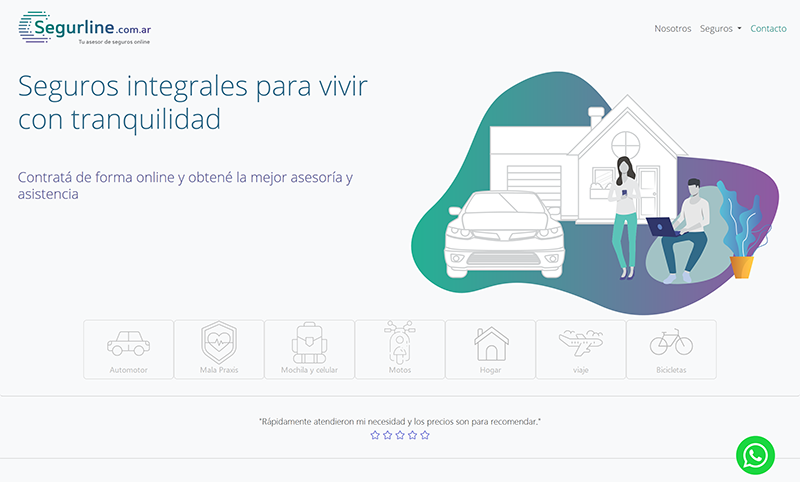
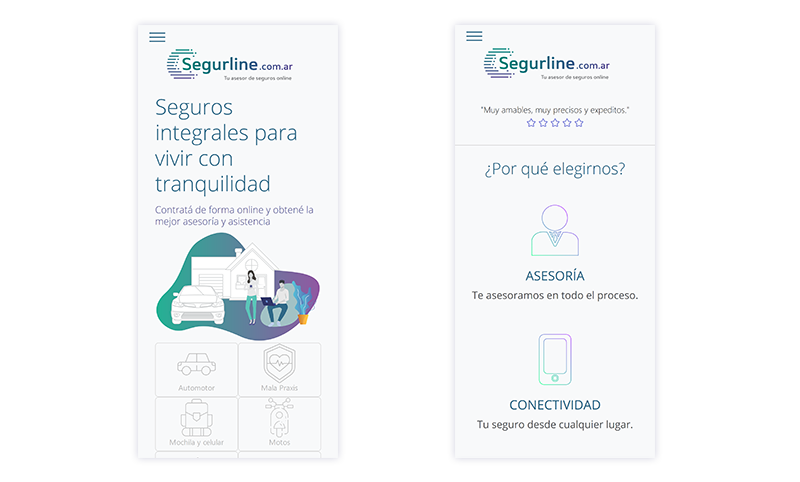
To solve this, I proposed a more structured entry experience using a keypad-like layout that supports faster scanning and direct access to products. This aligned with the client’s preference for an intuitive “choose-what-you-need” navigation pattern instead of endless scrolling.
Web development & SEO considerations
The build focused on clarity, trustworthiness, and ease of access. The approach included:
- A minimalist, clean aesthetic to convey professionalism and reliability.
- Consistent branding to reinforce trust and recognition.
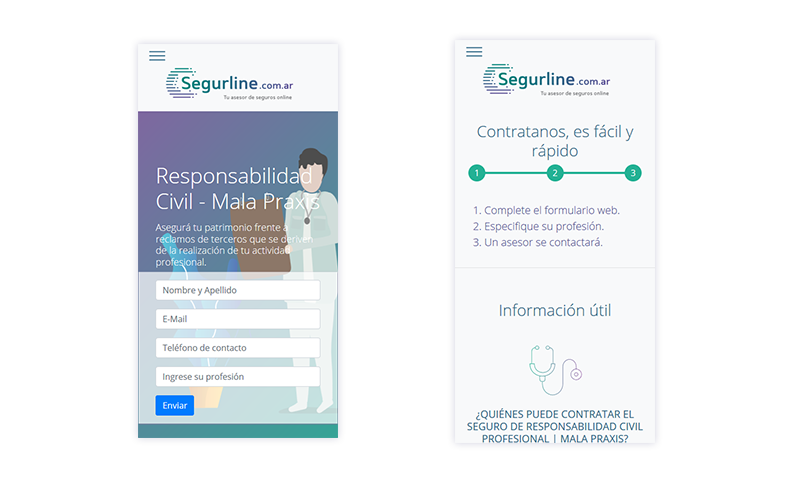
- Dedicated service pages to improve usability and support SEO growth.
- A content-driven blog (planned) to support organic visibility and customer education.
As a future step, an insurance service app was considered to expand Segurline’s digital offering beyond the website.
Outcome & what I learned
By consolidating multiple fragmented experiences into a single structured platform, the redesign improved navigation, reduced user effort, and created a clearer path to service actions — while laying foundations for scalable content and SEO.
- Structure beats content volume: clear entry points matter more than adding more sections.
- Trust is visual + informational: consistency, hierarchy, and tone reduce uncertainty in insurance.
- Metrics achieved: Increased 8% web trafic and reached after a month new clients of the new tier.