The problem
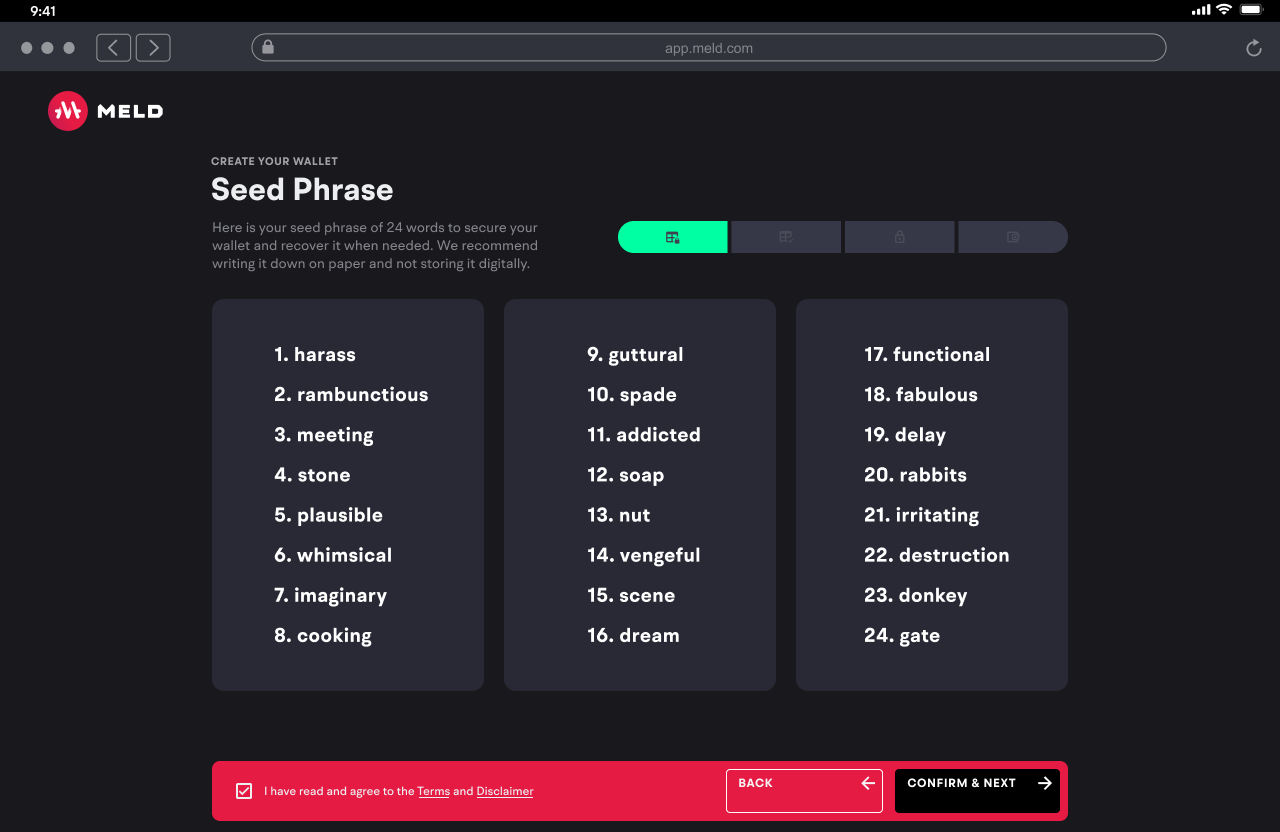
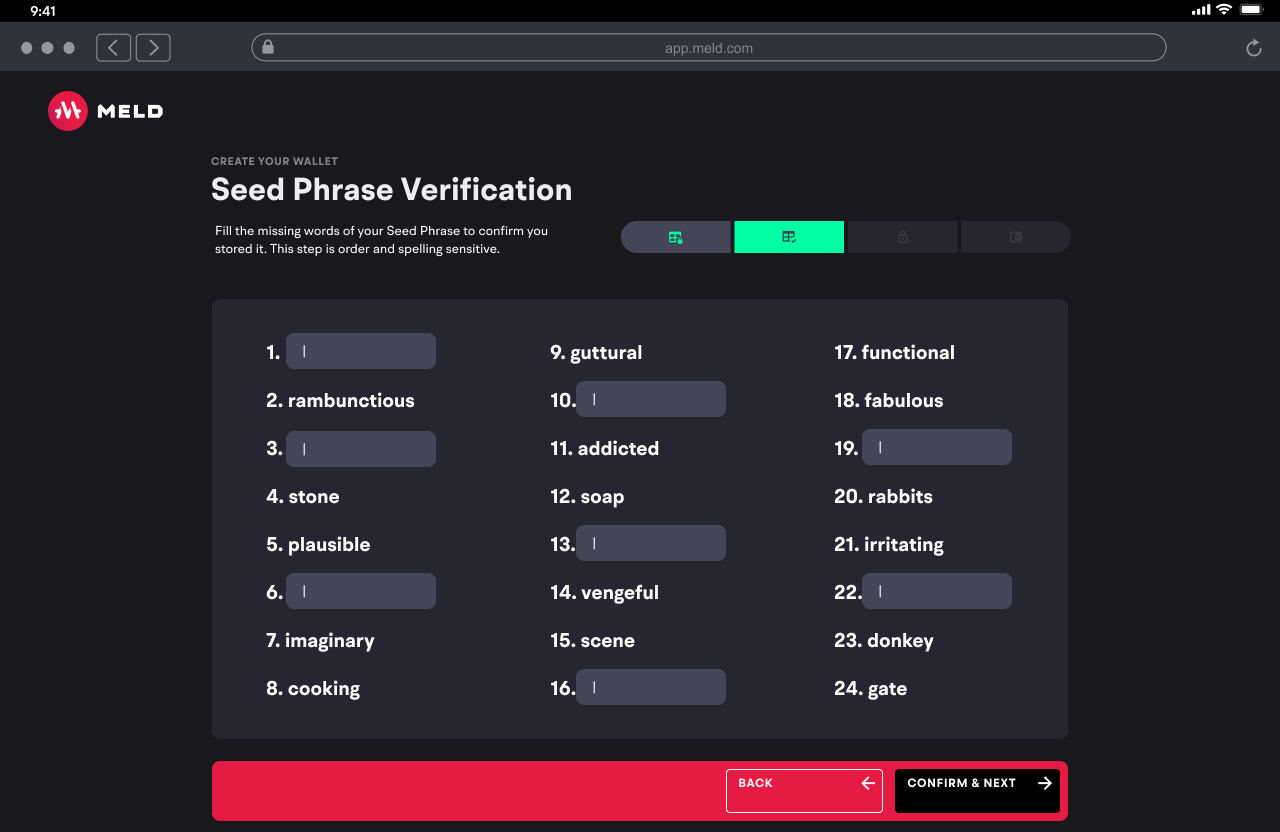
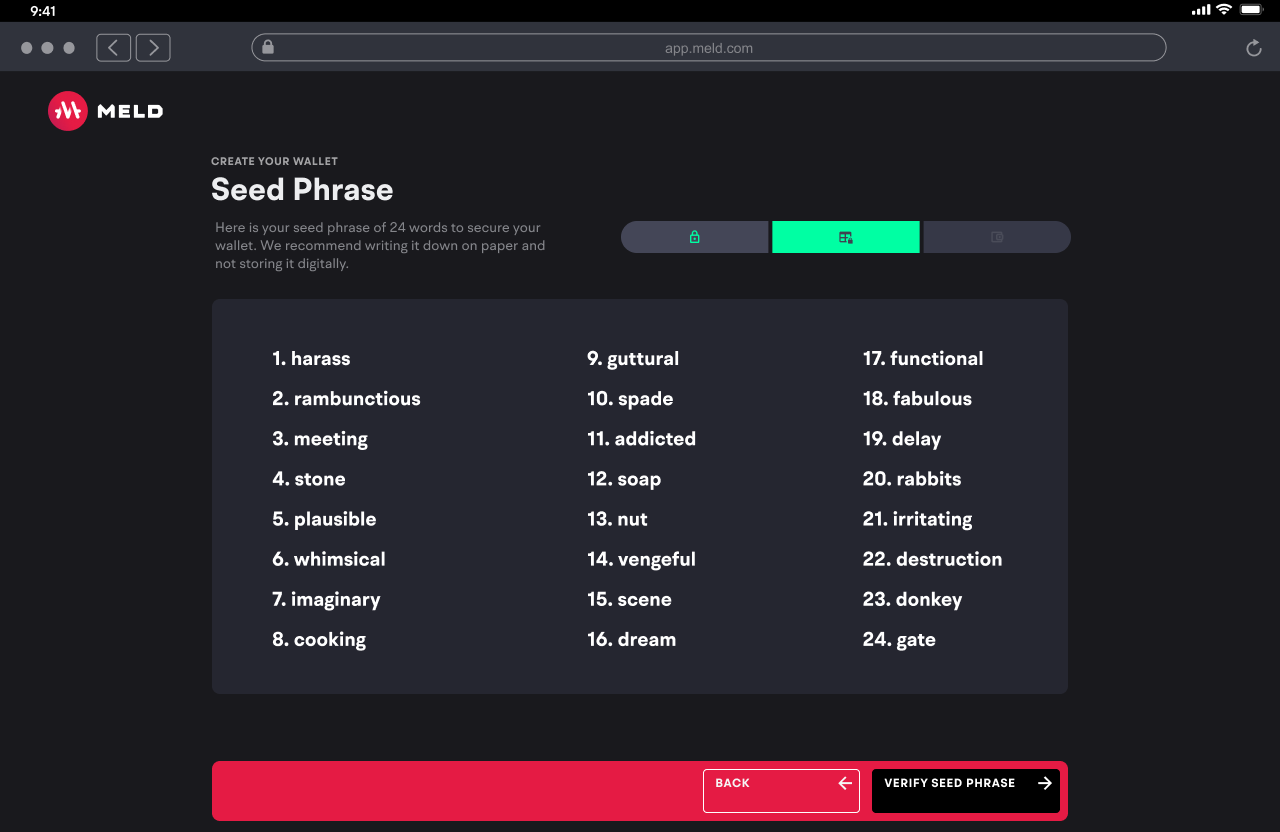
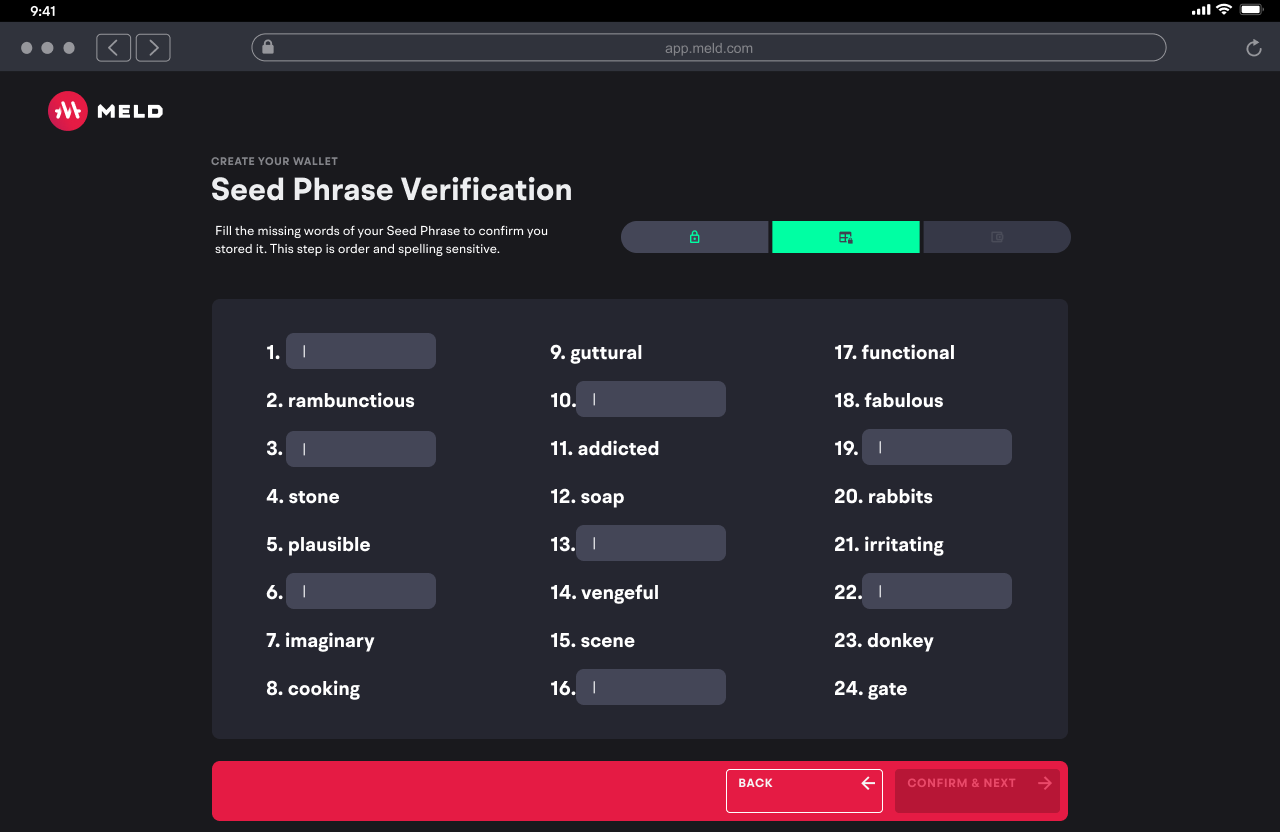
Activation was low. People started creating a wallet and never finished. The reason was structural. The single most demanding task in the entire experience, the 24-word seed phrase and its verification, came first, before the user had seen anything the product could do. Copying 24 words to paper and validating them back is genuinely heavy, and we were asking for it at the exact moment the user had the least reason to care.
So the question was not how to add more protection. It was how to change when protection applies. The seed phrase is a non-negotiable standard in blockchain, so I could not remove it. But I could move it.
Seedless creation
I redesigned wallet creation so it no longer required the seed phrase to get in. The user could create a wallet and enter the product immediately, and securing it became a deliberate choice made afterward, not a toll paid at the door.
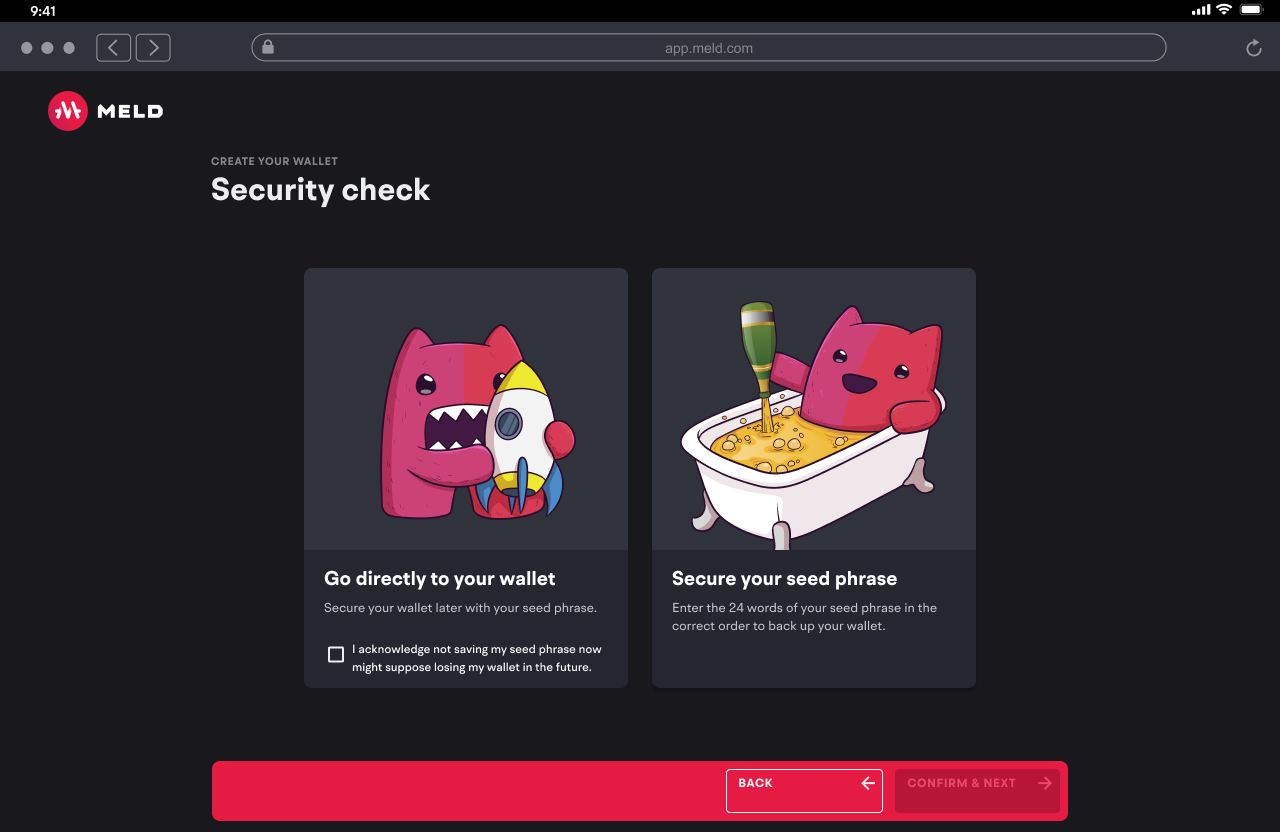
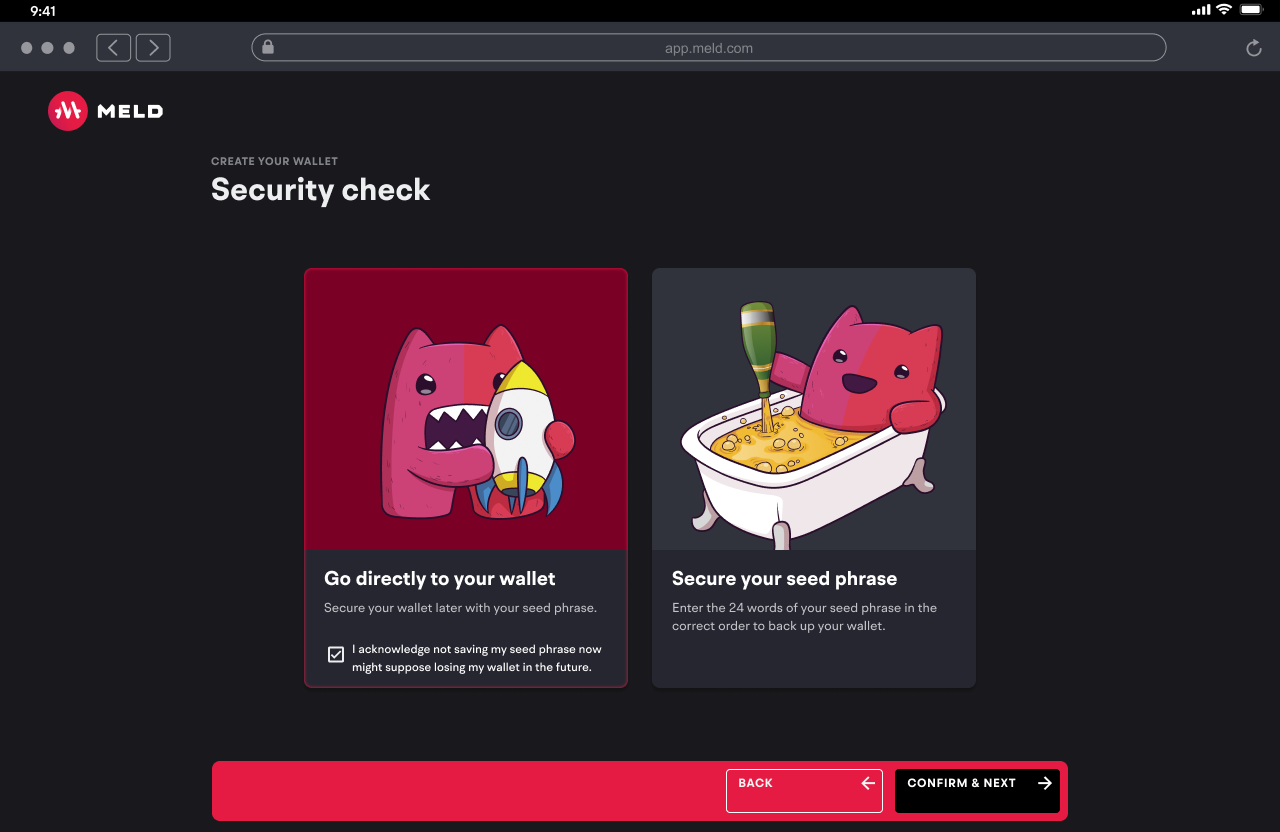
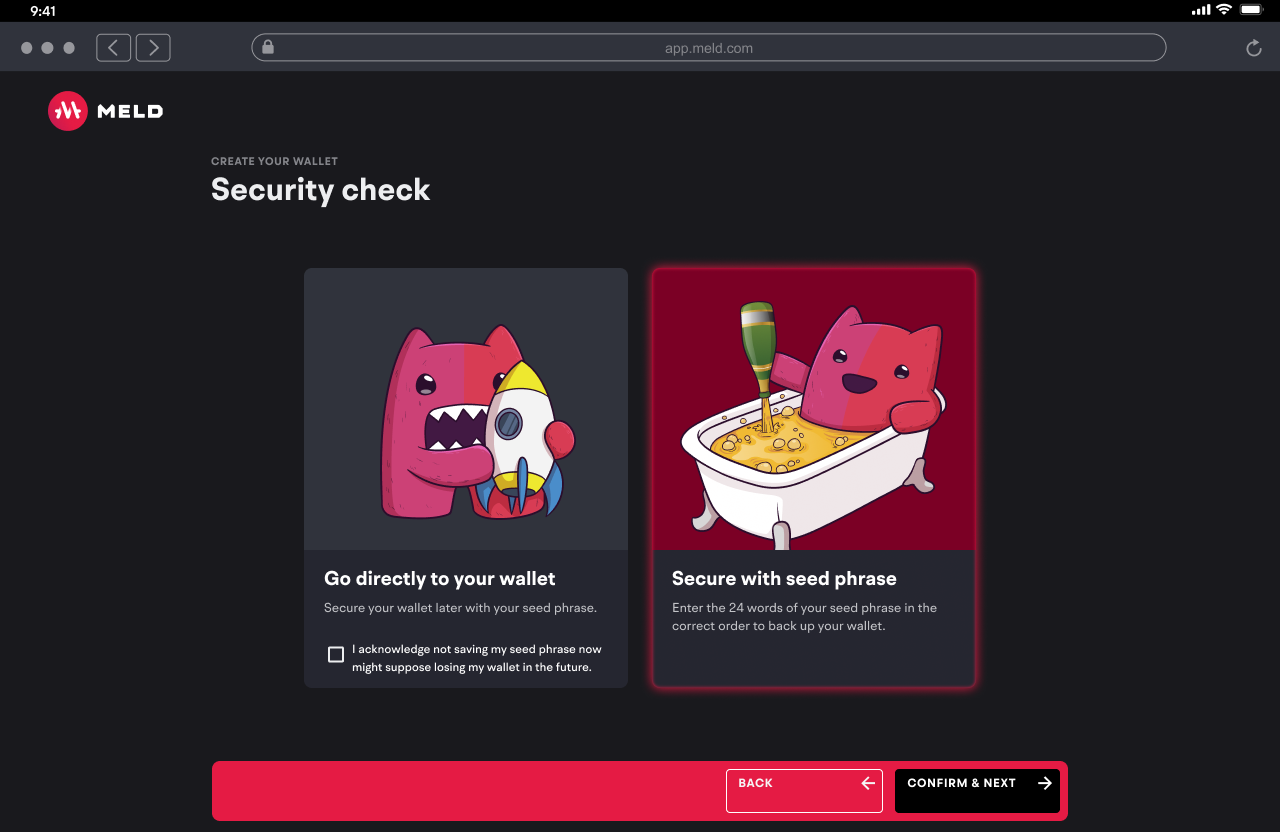
At the point of creation, the flow offered a clear two-path decision. Go directly to your wallet, or secure your seed phrase now. Choosing to skip was not frictionless, it triggered a confirmation that asked the user to acknowledge what they were skipping. So even the skip was designed to be deliberate, not careless.
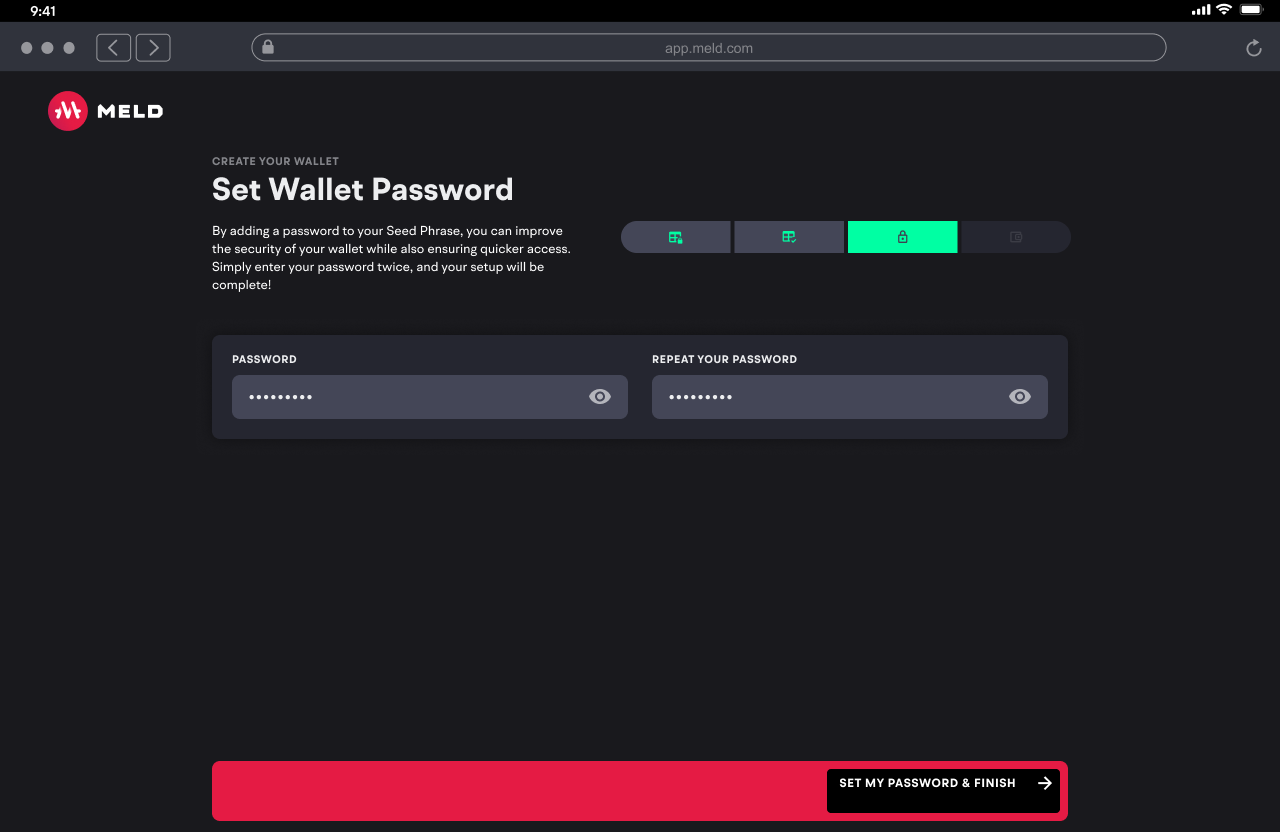
Original flow
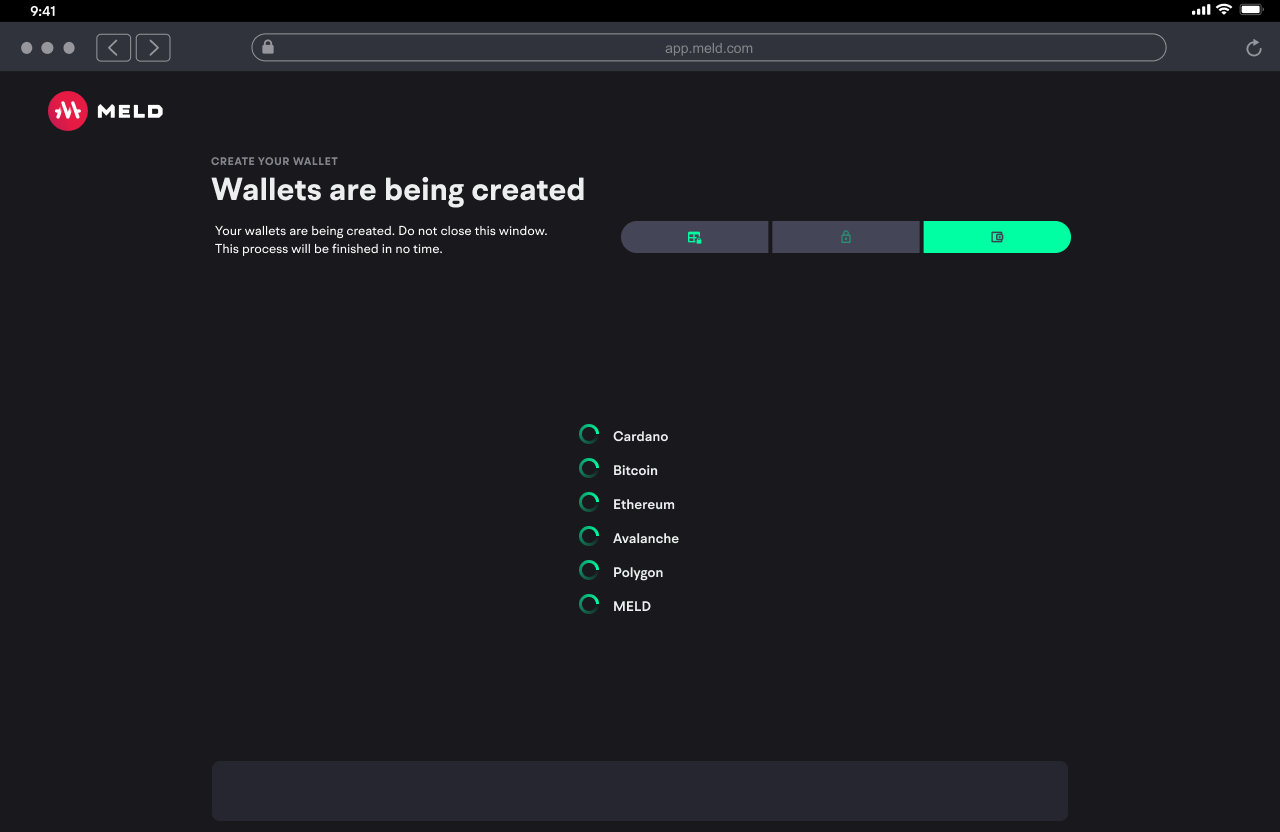
4 steps to entrySeed phrase, verification and a separate password all came before the user reached the product.
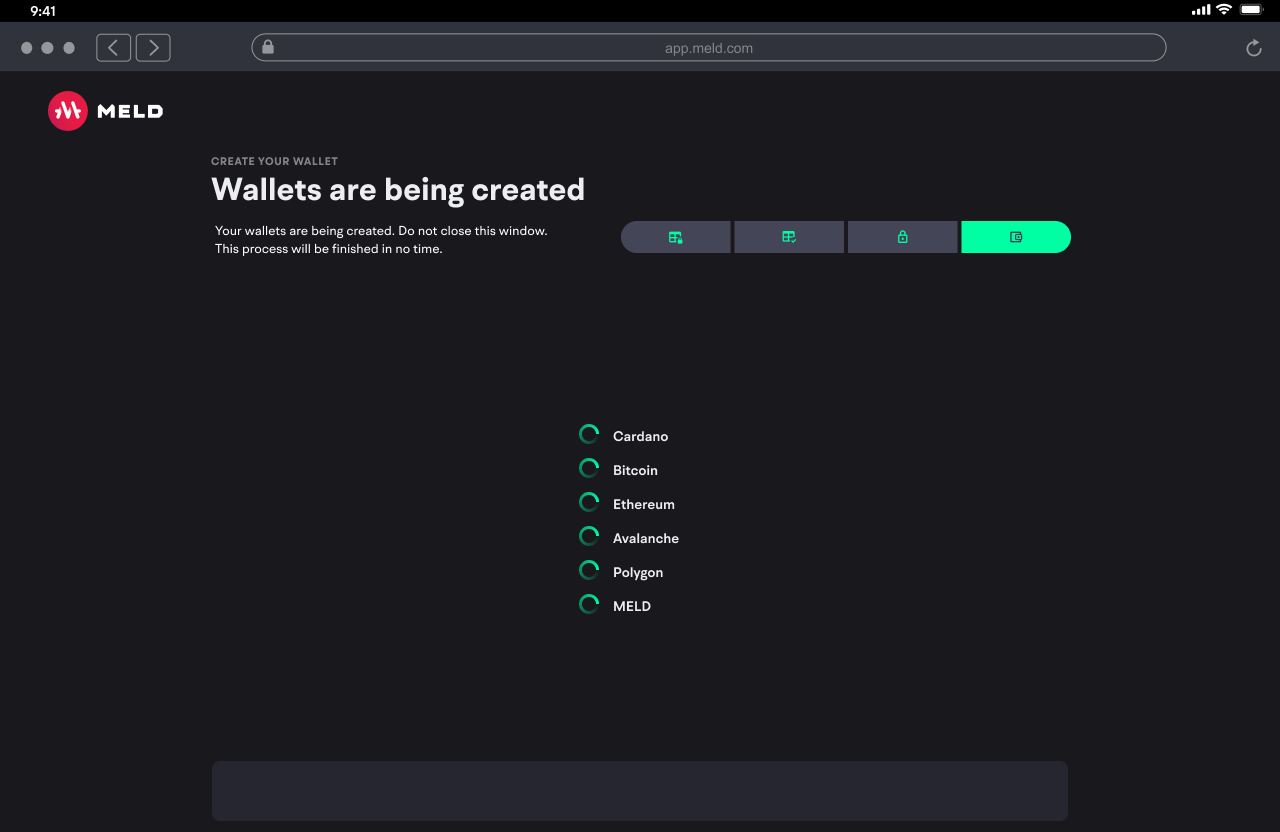
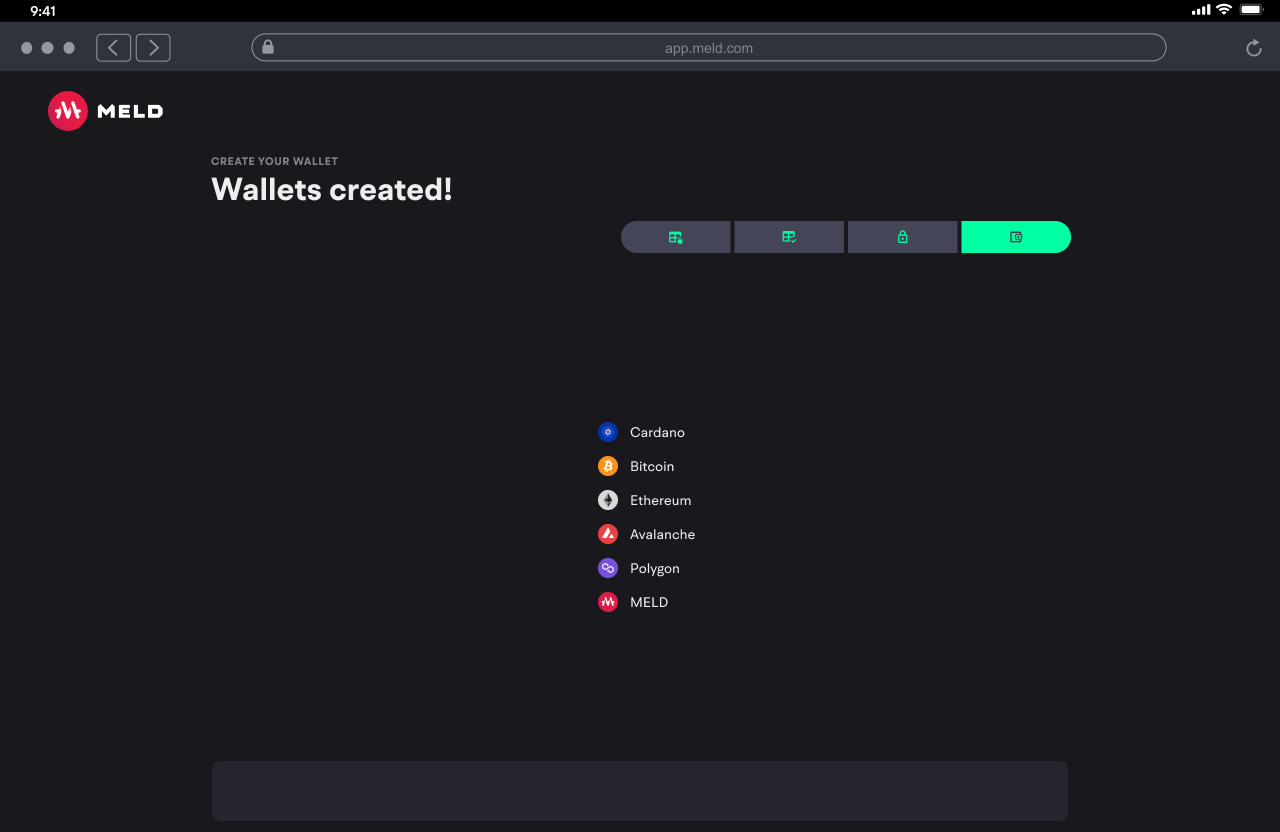

Seedless flow
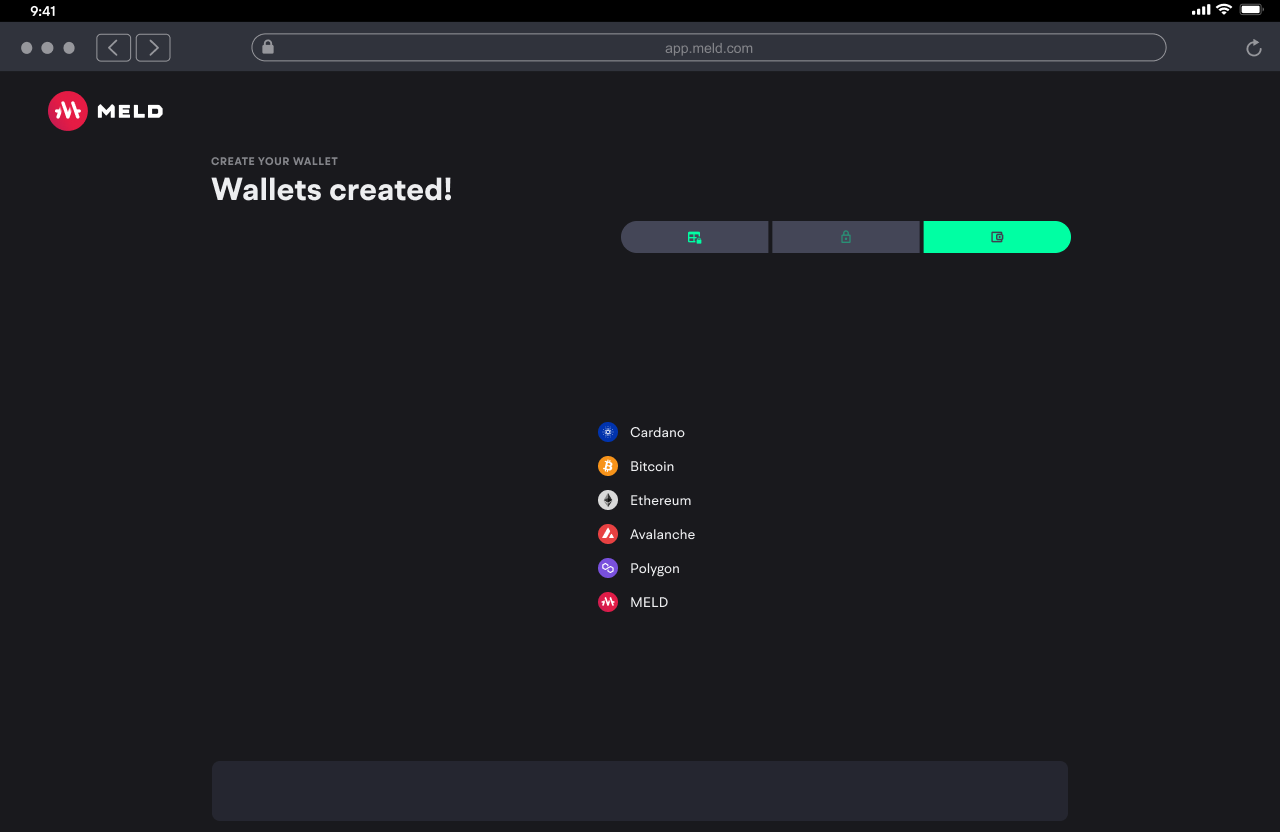
3 steps to entryA two-path choice replaces the wall. The seed phrase still exists, it just no longer blocks entry. Use the fork to follow either path.
Keeping security inevitable
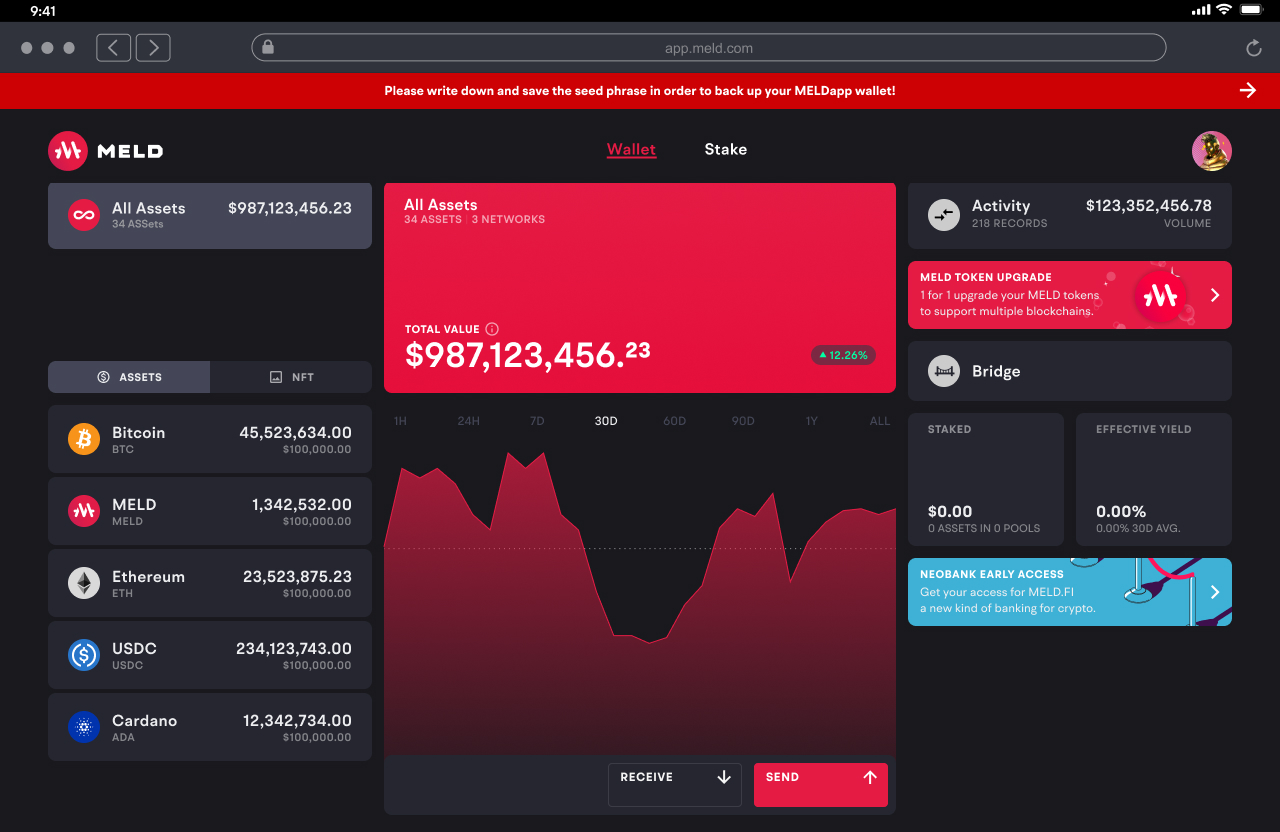
Letting people in unsecured is a real risk, and I did not want to hide it. So the unsecured state was made impossible to ignore. A persistent red banner sat across the top of the wallet, asking the user to write down and save their seed phrase, and it could not be dismissed. The only way to clear it was to actually complete the seed phrase procedure.
That is the whole idea in one move. Entry was easy. Security was unavoidable. The friction was not removed, it was relocated to a place where it no longer blocked discovery but never stopped applying pressure.
Outcome
After the redesign, the product owner reported onboarding drop-off falling by roughly 70 percent, and daily active users grew from around 3,000 to nearly 10,000 over the same period.
I attribute the improvement to the redesign, since the timing lines up and nothing else of that scale changed. I also want to be precise. Measurement maturity at the company was limited, so I read this as a strong directional result rather than a controlled one. The number is real. The certainty around it is not something I would overstate.
Reflection
The lesson I carry from this is that security and friction are not the same thing, even when a product treats them as if they were. The seed phrase had to exist. Where it sat in the experience was a design choice, not a security requirement. Most of the activation problem lived in that gap, between what genuinely had to be protected and what we had simply assumed had to come first.